Each year, the Louisiana sugarcane harvest tells a story. Sometimes that story is defined by adversity. Other times, it is shaped by resilience and a little bit of grace from Mother Nature.
This year, the preliminary harvest data shows several records were set with the 2025 crop. Those records include length of the harvest season, tonnage of sugarcane processed by the mills and tons of sugar per ton recovered. Add to that, great weather reduced the cost of harvesting and processing. So how did we get here? It is important to pause and recognize what this season represents for growers, mill workers and rural communities that depend on sugarcane.
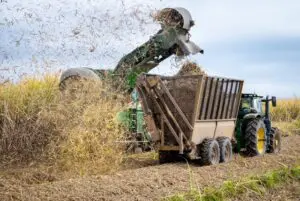
After the severe drought of 2023 and the disruptions caused by a hurricane the year before that, favorable weather conditions felt like a gift. Timely rainfall and generally cooperative conditions allowed the crop to mature well and mills to operate efficiently. While two early 2025 freezes raised concerns, damage proved limited. In at least one instance, a rare and historic snowfall helped protect the crop, and the season continued without the threat of significant losses hanging over it.
Weather alone does not explain the results. Years of investment in research partnerships and on farm innovation played a major role. New varieties, improved agronomic practices and better data driven decision making helped farmers make the most of every acre. At the same time, mills continued to enhance efficiencies in processing, transportation and energy use. That combination of strong farming and strong processing is what ultimately shows up in sugar production.
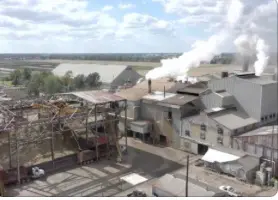
This is encouraging news not just for individual producers, but for the entire Louisiana sugarcane industry. Strong production supports jobs, strengthens local economies and reinforces the importance of domestic sugar production at a time when food security and supply chain reliability matter more than ever.
Still, even in a strong year, there are challenges on the horizon. High input costs remain a serious concern. Fertilizer, fuel, equipment and labor costs continue to strain farm budgets. At the same time, the global sugar market is one of the most distorted commodity markets in the world. Many major sugar producing countries heavily subsidize their industries, allowing sugar to be sold on the world market at prices far below the cost of production.
American sugar producers do not receive government subsidies and must compete while meeting some of the highest labor, environmental and food safety standards in the world. Strong and enforceable trade rules are essential to ensuring that domestic farmers are not undercut by unfair practices abroad. Without those protections, the United States risks outsourcing its sugar supply to countries whose standards do not match our own.
The challenges facing sugarcane farmers in Louisiana are not unique. Growers across the state and across the country are navigating similar pressures. The American Sugar Cane League will continue to work alongside producers, researchers and policymakers to find solutions that protect both our industry and consumers.
We understand the commitment of an industry that continues to adapt, innovate and ensure American grown, real sugar continues being sold in grocery stores across the nation.