By the time this column reaches you, most of our growers will be back in the fields, watching that first green push through the soil. Pre-emergent spraying will be underway. Ruts will be worked. Equipment will be checked and rechecked. It will be all hands-on deck.
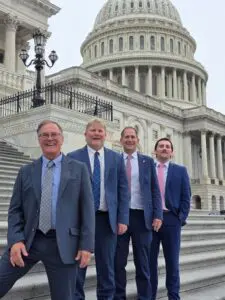
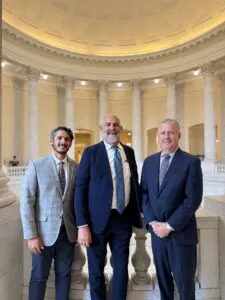
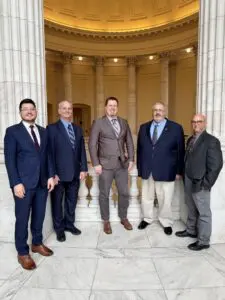
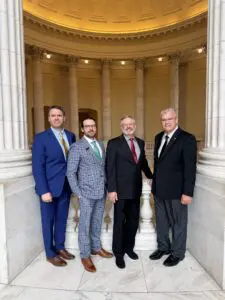
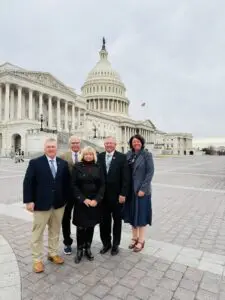
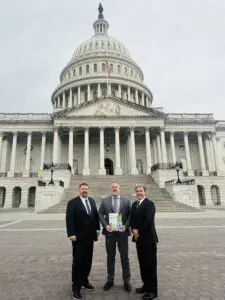
But just a few weeks ago, some of those same farmers were walking the halls of Capitol Hill.
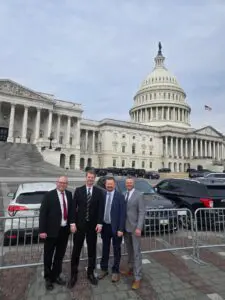

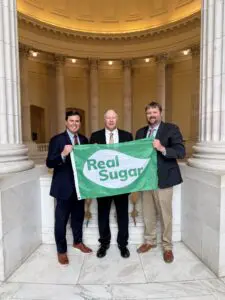
Among them was Lance Gaudet of Woods Farms in Paincourtville, a third-generation sugarcane farmer and father of three. Lance had 13 meetings in three days during this year’s fly-in with our partners at the American Sugar Alliance. Most of his time was spent doing what farmers do best, working hard and telling the truth about their business.
“It’s important,” Lance said, “because as a third-generation sugarcane farmer with three kids, I want to give them the opportunity to be a fourth generation. We need to tell that story.”
That story is more important this year than ever.
Across the country, agriculture is under intense financial pressure. Input costs have skyrocketed. Equipment, fertilizer, fuel and parts continue to climb in price. At the same time, the world sugar market remains heavily distorted by foreign subsidies. Sugar coming into the United States from abroad, supported by other governments, is contributing to prices that in some cases are drifting below the cost of production for American farmers.
Our friends in the sugarbeet industry are facing serious financial strain. Florida sugarcane growers recently endured a damaging freeze. None of us operate in isolation, and we support and sympathize with our fellow growers who are weathering very difficult circumstances.
Here in Louisiana, sugarcane remains a strong crop, and we are grateful for that stability. But our farmers feel the same squeeze on margins. When prices for everything it takes to grow a crop rise faster than the return on that crop, it creates real concern for the future.
That is why face-to-face meetings matter.
“I think a lot of them need to see growers and hear our stories,” Lance said of Members of Congress and their staff. “There are a lot of things they aren’t aware of. They don’t realize we are small family farms, not big factory farms. We are people, hardworking farmers just trying to make a living.”
He believes those conversations made an impact.
“I think they saw that, and it went well.”

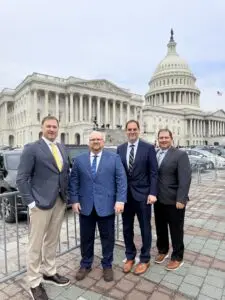
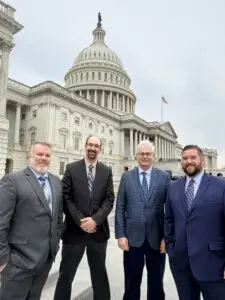
Farmers explained that unfairly subsidized foreign sugar is flooding the global market and putting pressure on domestic producers. They talked about the importance of maintaining a strong U.S. sugar policy that operates at no cost to taxpayers while providing stability for family farms and a secure domestic food supply.
Most importantly, they put faces and names on the policies being debated.
“It was a good trip,” Lance said. “We need as many farmers as we can get to help tell our story and put our names and faces on any policies they consider.”
Advocacy is not something farmers take lightly. It means leaving the farm during a busy season, walking unfamiliar hallways and having difficult conversations. But it is necessary work.
Now, as the cane begins to green up across south Louisiana, our growers are turning their attention back where it belongs. The fields are calling. The work is waiting. And with determination, faith and a lot of hard work, another crop is underway.
That is the story we carried to Washington. And that is the story we will keep telling.