Last winter, Louisiana sugarcane farmers watched a historic snowfall do something few expected. It helped protect the 2025 crop from widespread freeze damage. The snow acted as insulation, shielding the roots and preserving the buds that would fuel the next growing season.

This winter brings a different test.
As this column is being written, much of Louisiana is in the middle of a two-week stretch of frigid weather. During the first week, soil temperatures across much of the cane belt remained above freezing. The concern now is the second wave, with colder temperatures forecast and the potential for soils to dip lower than earlier in the cold spell.
The extended cold arrives on the heels of one of the most successful harvests Louisiana sugarcane has ever seen.
“We’re going to grind the most tonnage that we’ve ever ground in Louisiana,” said LSU AgCenter Sugarcane Specialist Dr. Kenneth Gravois. “So, we’re going to be right at, maybe just shy of 18-million tons of sugarcane being ground.”
That record tonnage was paired with record efficiency. According to Gravois, mills recovered about 248 pounds of sugar per ton, another all-time high.
“So, record recovery, with record tons leads to record sugar production. We’re going to produce just over 2.2 million tons of sugar.”
Those numbers cap off a harvest season that benefited from cooperative weather. Dry conditions allowed growers and millers to move cane efficiently, reducing both field and factory costs. While sugar prices slipped compared to last year, the lower cost of harvesting and milling helped offset that decline.
“Prices might be down just a bit compared to last year, but when you look at a cheap crop to mill and a cheap crop to get out of the field, those are ways that this industry has made money,” Gravois said.
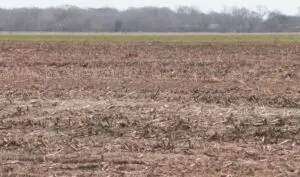
The favorable weather during harvest did more than boost the 2025 crop. It also allowed growers to get an unusually strong start on preparing fields for the next season.
“This is probably as much field work in the fall that I have ever seen during the grinding season,” Gravois said. “So, all of those things bode well for a 2026 crop.”
That momentum now meets the uncertainty of prolonged cold. As with last year, the greatest concern is not the harvested cane but what is happening beneath the soil surface. Sugarcane remains dormant through the winter, and the health of the roots and buds will determine how well the crop rebounds when temperatures warm.
Just as in previous freeze events, the full impact will not be known immediately. It will take weeks of warmer weather and sunlight to bring the cane out of dormancy and reveal whether any damage occurred.
For now, Louisiana’s sugarcane industry finds itself in a familiar position, balancing weather risk with hard-earned optimism. Record production, improved efficiencies and strong field preparation have set a high bar. How the current cold spell influences the 2026 crop will become clearer as winter loosens its grip.
It is simply part of the rhythm of agriculture, where one season’s success always gives way to the next season’s unknowns.