In Louisiana’s sugarcane fields right now, not everything is picture perfect.
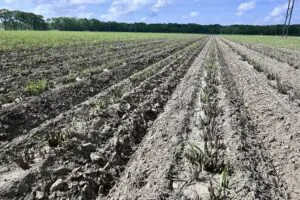
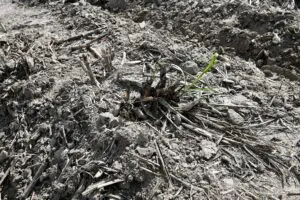
As the weather warms and the crop begins to green, some farmers are seeing something they don’t like; shoots that should be thriving instead dying back. Not across every field, not in every parish, but enough to raise concern.
And when something looks wrong in a cane field, the response is almost automatic.
Calls go out. Experts show up.
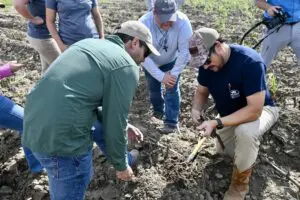
Within days, agronomists with the American Sugar Cane League and pathologists with the LSU AgCenter were walking fields in St. Mary Parish, pulling samples and asking questions. What caused it? Is it weather? Disease? Something new?
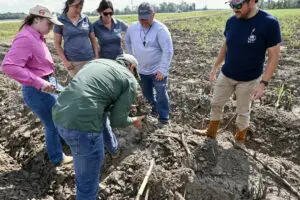
Early clues point to a complicated sequence: an early freeze, followed by near-perfect planting and harvest conditions that led some farmers to clip cane earlier than usual, then another freeze along with a sustained lack of rain. The working theory is stress, cane forced to draw on its energy reserves again and again, leaving some plants without enough strength to rebound.
The answers aren’t final yet. But the process is already underway.
That same process is playing out in other fields across the cane belt.
When some growers noticed yellowing in their crop, entomologists began investigating what’s known as Yellow Canopy Syndrome. In the process, they identified something new to Louisiana agriculture: the pasture mealybug, an invasive pest that may be contributing to the problem.
In another case, a fast-growing vine called Luffa quinquefida, was discovered wrapping itself around sugarcane, threatening to clog harvesting equipment and slow operations at a critical time. Researchers are now studying its biology and evaluating how to manage it before it spreads.
Individually, these issues may seem like routine challenges in farming. Crops face stress. Pests emerge. Weather never cooperates for long.
But taken together, they tell a much bigger story.
They show a system at work.
For more than a century, Louisiana’s sugarcane industry has relied on a unique partnership between the American Sugar Cane League, the LSU AgCenter and the United States Department of Agriculture. That three-way agreement which is now marking its 100th year, was designed with one goal in mind: to make sure when problems arise in the field, solutions are already in motion.
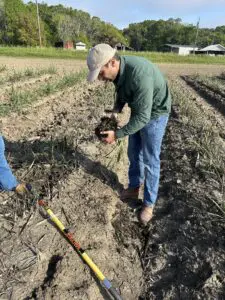
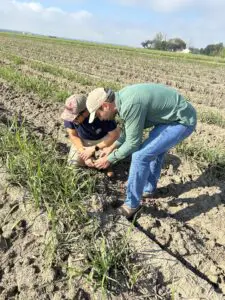
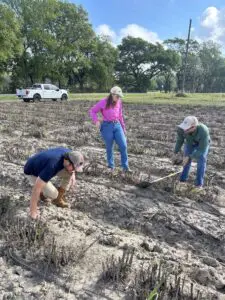
It means farmers are never facing challenges alone. It means research isn’t theoretical, it is immediate, practical and rooted in real-world conditions. And it means new threats, no matter if they come from weather, pests or invasive species, are identified and addressed as quickly as possible.
Over time, that system has done more than solve individual problems. It has helped sustain and strengthen an entire industry.
New cane varieties have been developed. Diseases have been managed. Yields have improved. And when unexpected challenges emerge – as they always do – there is already a team in place ready to respond.
What is happening in the fields this spring is a reminder of that essential work.
The samples being collected, the pests being identified, the questions being asked, none of it makes headlines on its own. But it is exactly what keeps Louisiana’s sugarcane industry moving forward.
And in agriculture, that kind of steady, behind-the-scenes progress can make all the difference.