For much of the spring, Louisiana was feeling the strain of drought. For many farmers, the lack of rain made an already challenging planting season even tougher, especially for crops that depend on timely moisture to get established. In some cases, fields planted just weeks before struggled to emerge, forcing difficult decisions about whether to start over.
After years where too much water created its own set of problems, those conditions are a reminder that in agriculture, balance is hard to come by.
But agriculture rarely moves in lockstep. Different crops respond differently, and this year, sugarcane’s growing cycle has put it in a slightly different position.
Unlike many row crops that are planted in the spring, sugarcane in Louisiana is planted later in the year, typically in August and September, just ahead of harvest. Once planted, that crop continues for multiple seasons through regrowth, or what farmers call “stubble” crops. In practical terms, that means growers aren’t trying to establish an entirely new crop during a dry spring like this one.
That timing matters.
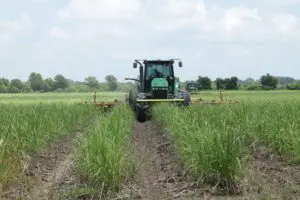
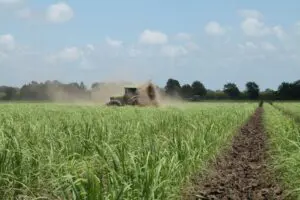
While drought conditions are never ideal, the stretch of dry spring weather allowed sugarcane growers to make steady progress on field work. Activities that can be delayed by wet conditions have, for the most part, moved forward without interruption. And while sugarcane benefits from the right amount of rainfall at key points in its cycle, particularly during planting, drier weather is also welcomed during harvest.
Still, there are plenty of questions.
Growers are watching closely for the impact of last winter’s freezes and what a cooler-than-normal spring might mean for early growth. There are ongoing conversations around some weak stands, and what may be driving those issues in certain fields. Like any other crop, sugarcane carries its share of uncertainty this time of year, and experience has taught farmers to pay close attention to even subtle changes in the crop.
Even so, there is a sense of steadiness across much of the industry right now. Coming off a record harvest, the majority of acreage in Louisiana is in good condition as we move through the spring. That kind of momentum doesn’t guarantee anything, but it does provide a solid starting point.
At the end of the day, if given the choice to grow any crop, most farmers across the cane belt would choose sugarcane without hesitation.
That is not to suggest it’s without challenges. Like every commodity, it comes with its share of risk. But its longer growing cycle can offer a measure of continuity in an otherwise unpredictable business.
Unpredictable is something all of agriculture understands well.
Conditions can shift quickly. A dry stretch can turn into too much rain. A strong start can be tested by a hurricane, pests, disease or market changes. For now, sugarcane growers are making the most of a window that has allowed them to stay on track while navigating the same pressures facing farmers everywhere, including the rising cost of inputs like fertilizer and diesel.
It is a reminder that in farming, timing matters and no two crops, or seasons, are exactly alike.